Next.js
App Router · RSC
Since 2022 · daily→
Six of us — designers, engineers, AI specialists. Thirty AI SaaS products shipped together in the last three years. Nine working days, on average, from a signed spec to a live URL. One missed deadline in that window — a visa hold-up in October 2024. We ate the cost.
Most builds we take are one of five things. An AI platform wired into someone's CRM at the data layer. A multi-vendor marketplace with Stripe Connect doing the money plumbing. A SaaS with billing, multi-tenancy and white-label, day one. An AI design tool routing across model providers. A custom agent handling sales calls and support tickets inside a live funnel. Same six people ship all five.
Six isn't an agency. There's no account manager translating your idea into a ticket pile, no PM scheduling kickoff for next week, no junior holding the keyboard while a senior reviews. The engineer who quoted your build on day one is the one shipping it on day nine. You answer in Slack, not in a portal.
Fixed price, quoted before any work starts. MVPs ship in nine to fourteen days. First message answered inside 24 hours — weekends included. One missed deadline in three years (a visa issue, October 2024). We covered the cost out of pocket.
If you don't need production AI work, you'll get more value from one of the cheaper options below. Here's where we sit.
| Us | Agency | Freelancer | Nearshore squad | |
|---|---|---|---|---|
| Price clarity | Fixed in writing before kickoff | Hourly + scope-creep | Hourly | Tiered, opaque |
| Typical AI MVP timeline | 9–14 days | 6–8 weeks | Stretches | 3–6 weeks |
| Same team kickoff → ship | Yes — same team | No (account → PM → dev) | Yes (one person) | No (rotating) |
| Senior engineering | Both senior | Mixed | Varies wildly | Mid-level avg |
| Code you fully own | Yes, day one | Often agency-licensed | Yes | Yes, but messy |
If your project crosses web, AI, and payments, we're a good call. For simpler work, hire a freelancer.
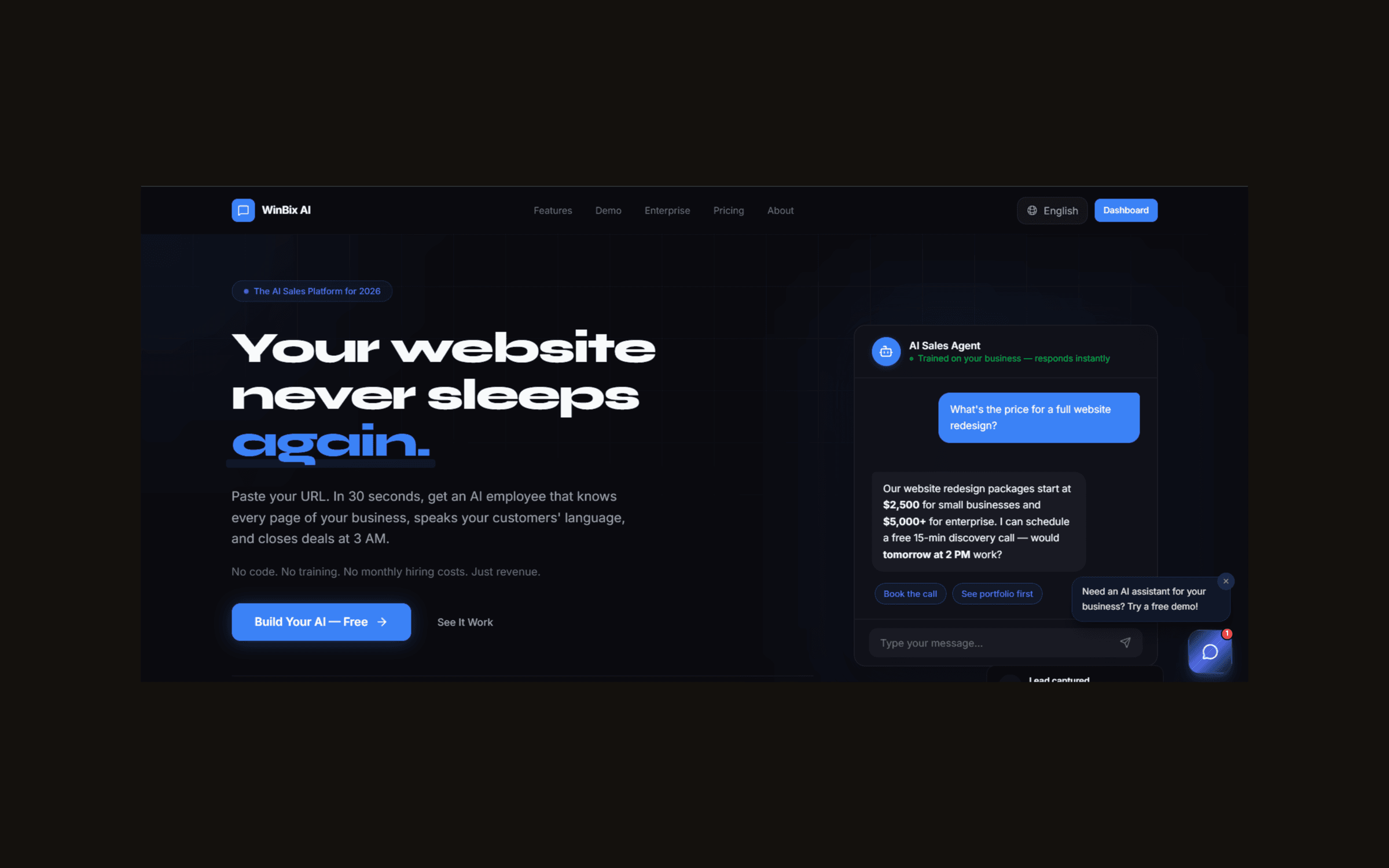
Our own AI agent platform. Six months of R&D, launched March 2026. $99–$499 a month for end clients, plus white-label accounts for agencies. Eight weeks live and at $2K MRR climbing weekly. We use Winbix on our own work first — the billing flow, the onboarding emails, the CRM bridge we now ship to clients all got proven on our own product before we sold any of it to anyone else.
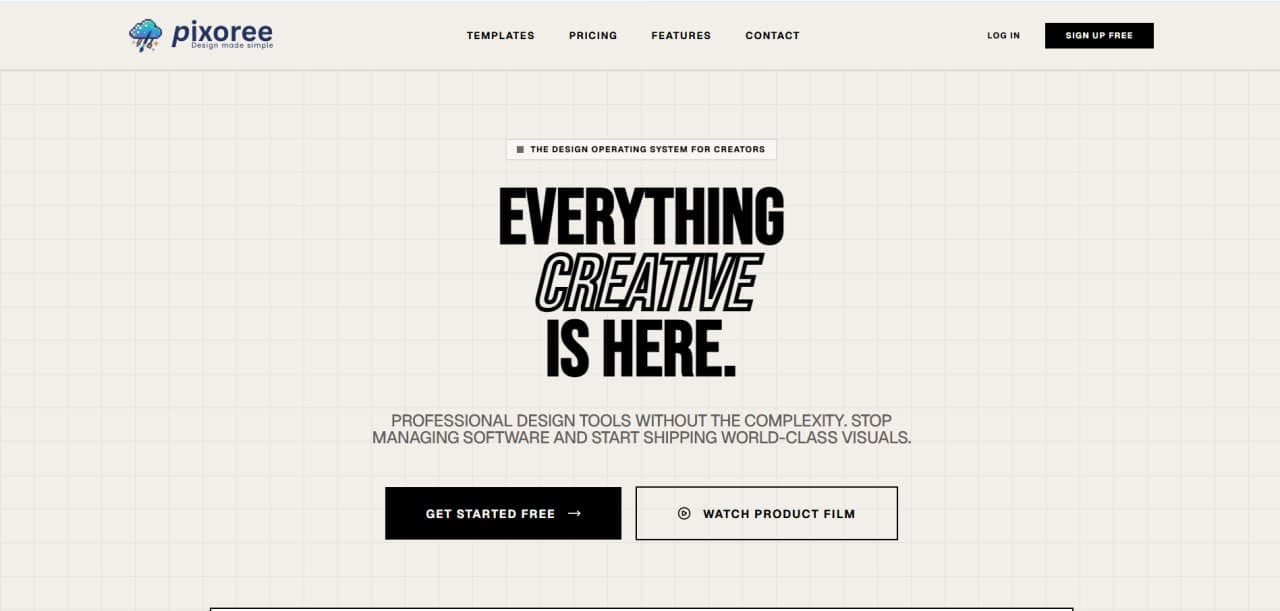
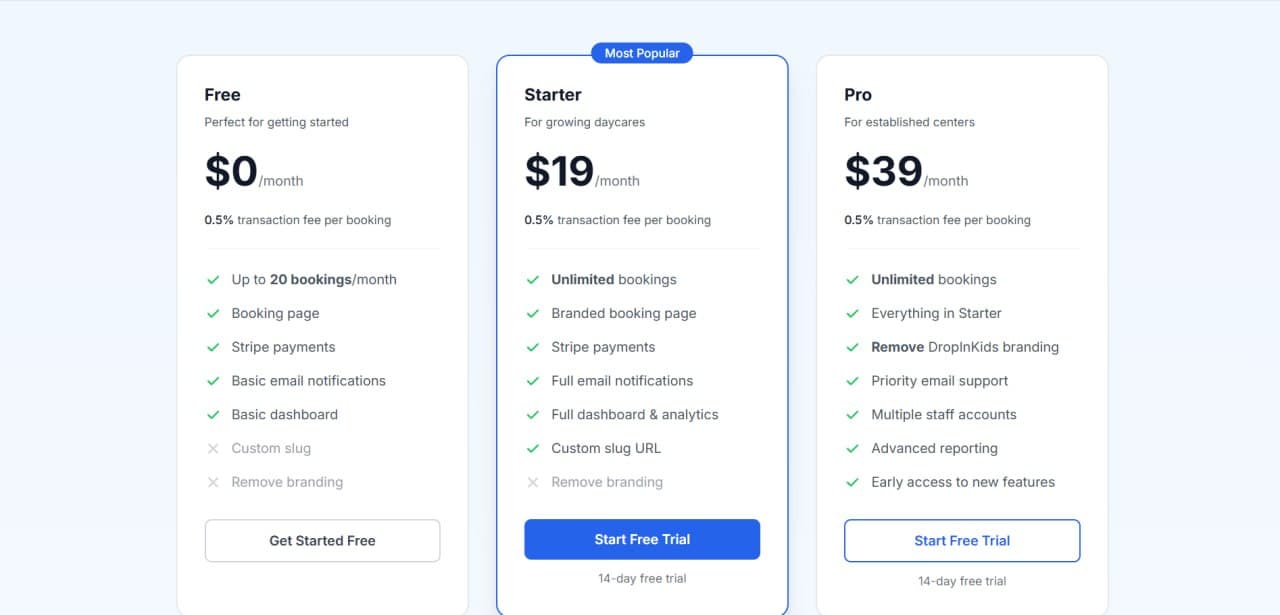
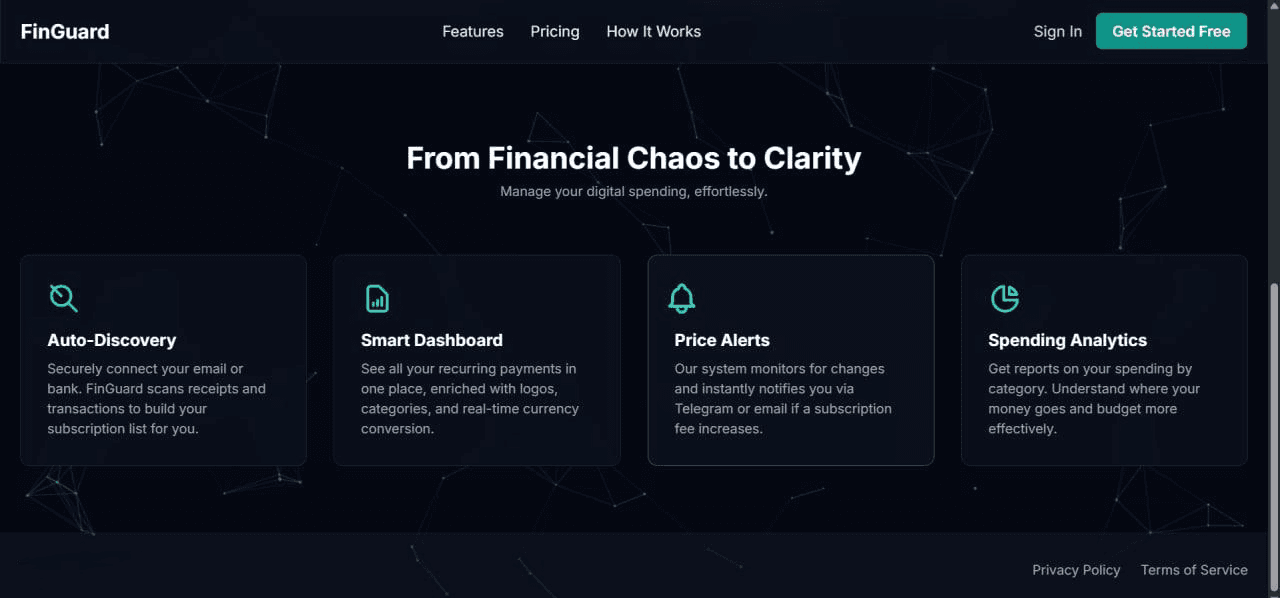
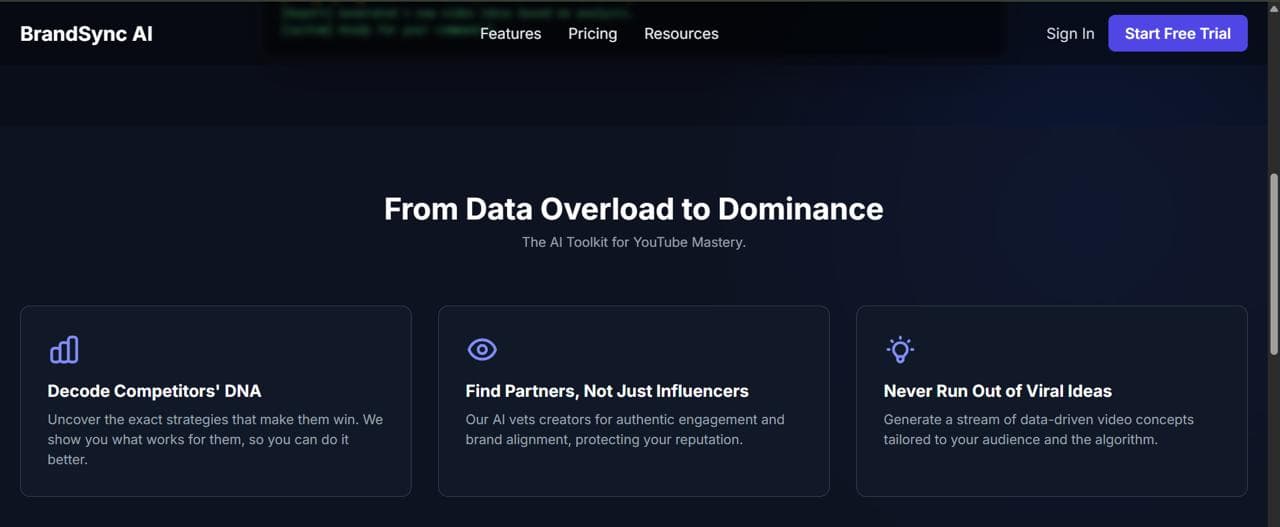
All in production. Click any case for the full story — architecture, billing, what we'd do differently with another quarter on the clock.
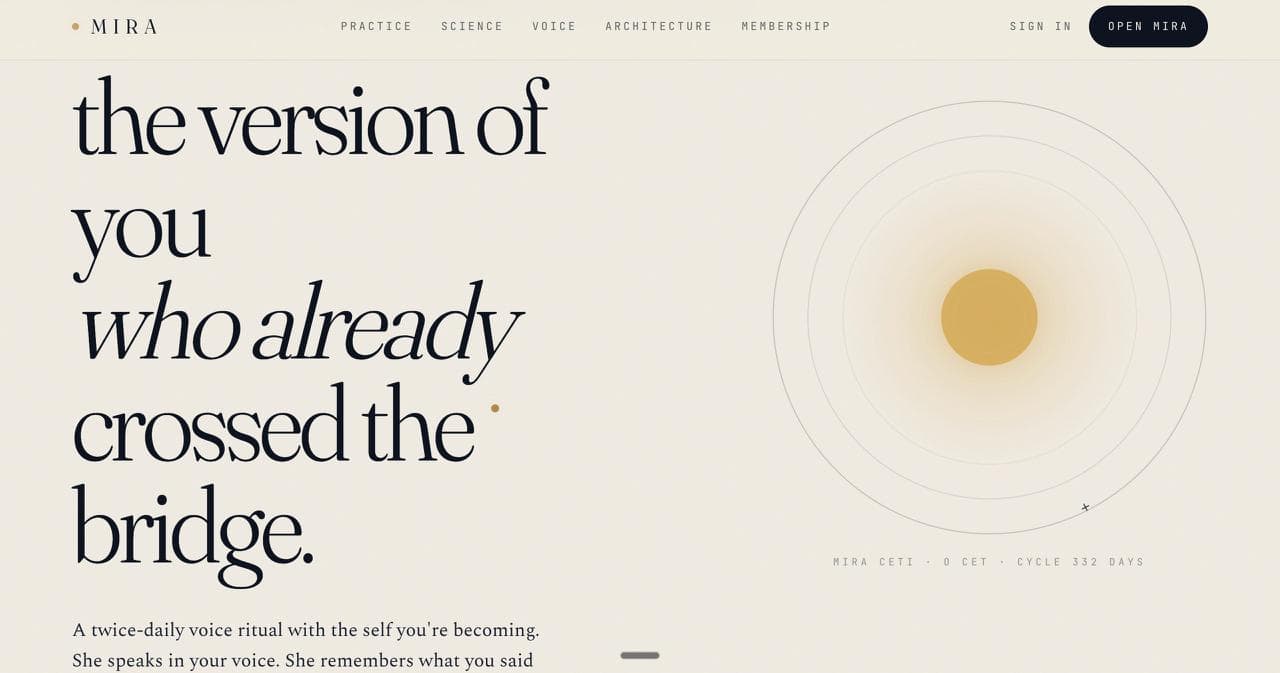
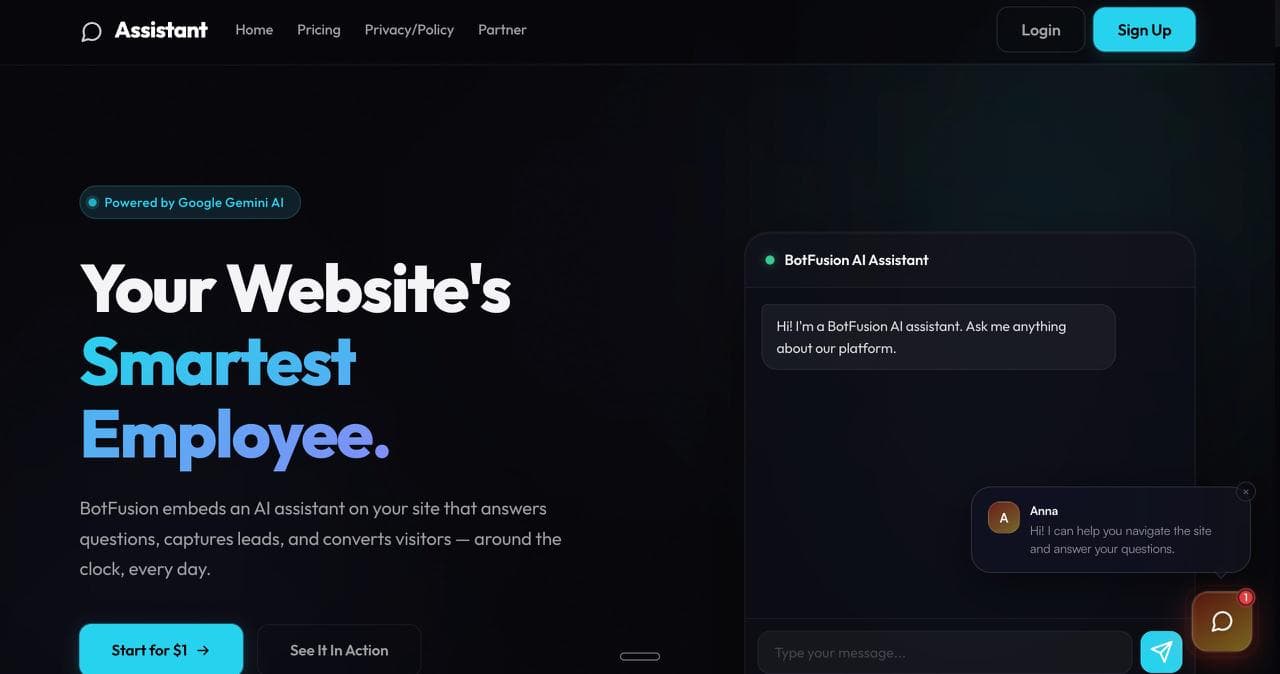
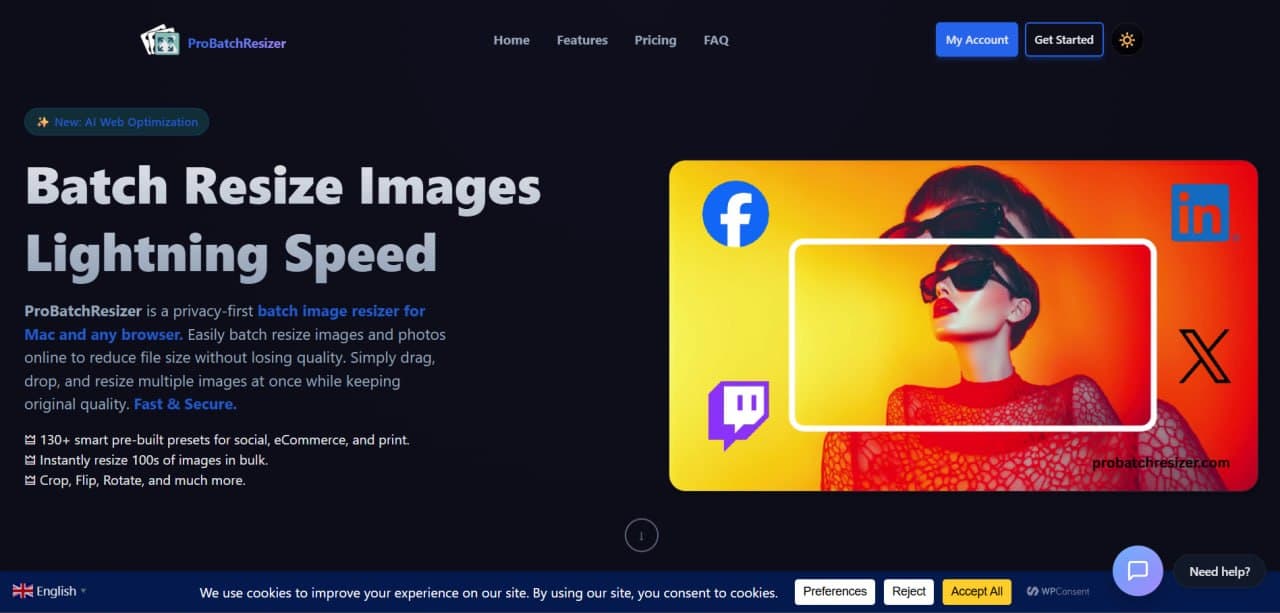
Five steps. Around nine to fourteen working days for a typical AI SaaS MVP. Larger builds run longer. We quote everything in writing before you pay anything.
Forty-five minutes with our team. We pressure-test the idea — what's likely to break, where the pricing is off, what to ship first vs. what can wait.
Written spec inside 48 hours. Fixed price, day-by-day timeline, acceptance criteria. You sign once. Scope is locked from there.
Daily updates, end-of-day demo, Friday checkpoint. You see what was built each day, not at the end. Everything goes to staging as it lands.
Production deploy on your domain — your infra if you have one, ours (Vercel + Neon + Stripe) if you don't. Repo handover, runbook, one-hour onboarding call. You own everything from day one.
Thirty days of fixes, tuning, and small additions on us. We stay until your first cohort of users is settled.
“MVP was live in twelve days. We had paying users in week three. Three years later we're still on the same code base they shipped — that's how clean it was.”
“I came to them with a brief. They came back with a brief twice as good — and built the thing on the date they quoted. I've worked with three agencies. None like this.”
“Our OpenAI bill was at twelve grand a month and growing. They cut it by eighty percent in four working days — caching, smaller model on cheap calls, streaming. We got two more quarters of runway out of one engagement.”
Four clauses, in writing, in every contract we sign — written the way we'd want to be hired ourselves.
We give you one number after the spec call. If we estimated wrong, we eat the cost. Your invoice doesn't change.
Every contract has a hard ship date. If we slip, you pay 15% less. It's happened once in three years.
You get a Slack channel with the whole team. End-of-day demos, Friday checkpoint. No PMs translating, no agency layers — you always know what shipped today.
We stay on for a month after you go live. Bugs, tweaks, small additions — all on us, until your first cohort is settled.
— We've signed thirty of these. Read every clause before kickoff.
We reply within 4 hours during business hours, 12 hours otherwise. Usually with questions, sometimes with a price. Either way you'll know in 24 hours whether we're the right team for it.